




• We kindly request chatzozo forum members to follow forum rules to avoid getting a temporary suspension. Do not use non-English languages in the International Sex Chat Discussion section. This section is mainly created for everyone who uses English as their communication language.

Gold in Cracks

kadal

Epic Legend
Chat Pro User
.
We spend so much of our lives trying to hide the places where we have been broken. When we fall apart, our first instinct is to glue the pieces back together in the dark, hoping the world will only see our perfect, untouched surfaces. But there is a centuries old Japanese art called Kintsugi that teaches us a much kinder way to look at our wounds.
In Kintsugi, when a beautiful ceramic bowl falls and shatters, the master does not throw it away. Instead, they carefully mend the broken pieces back together using a resin mixed with pure gold. They do not try to hide the damage. They illuminate it. The philosophy is simple but profound: the break is not something to be ashamed of. It is a vital part of the object's history, and the golden repair makes it more beautiful and valuable than it ever was before it fell.
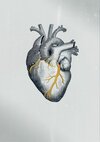
We heal in the exact same way. A scar, whether it rests visibly on your skin or is tucked quietly away inside your heart, is never a sign of weakness. It is your own personal Kintsugi. It is simply survival, beautifully written in gold across your flesh. The pain you endured didn't just fade into nothing; it transformed. The places where you were shattered and painstakingly put yourself back together are now the strongest, most resilient parts of who you are.
So, stop apologizing for the heavy lines in your story. Stop looking at your wounds as flaws that need to be hidden from the light. You are not a broken thing losing its worth. Wear your healing as your heaviest armor, and let your golden scars be the quiet, beautiful proof that you did not just survive the breaking. you mastered the art of putting yourself back together.
.
fc7b7bf9905d0760c8a87ef8ded10700.jpg
 
.
We spend so much of our lives trying to hide the places where we have been broken. When we fall apart, our first instinct is to glue the pieces back together in the dark, hoping the world will only see our perfect, untouched surfaces. But there is a centuries old Japanese art called Kintsugi that teaches us a much kinder way to look at our wounds.
In Kintsugi, when a beautiful ceramic bowl falls and shatters, the master does not throw it away. Instead, they carefully mend the broken pieces back together using a resin mixed with pure gold. They do not try to hide the damage. They illuminate it. The philosophy is simple but profound: the break is not something to be ashamed of. It is a vital part of the object's history, and the golden repair makes it more beautiful and valuable than it ever was before it fell.
We heal in the exact same way. A scar, whether it rests visibly on your skin or is tucked quietly away inside your heart, is never a sign of weakness. It is your own personal Kintsugi. It is simply survival, beautifully written in gold across your flesh. The pain you endured didn't just fade into nothing; it transformed. The places where you were shattered and painstakingly put yourself back together are now the strongest, most resilient parts of who you are.
So, stop apologizing for the heavy lines in your story. Stop looking at your wounds as flaws that need to be hidden from the light. You are not a broken thing losing its worth. Wear your healing as your heaviest armor, and let your golden scars be the quiet, beautiful proof that you did not just survive the breaking. you mastered the art of putting yourself back together.
.
View attachment 433765
Kintsugi analogy hits different. Absolutely beautiful way to look at scars and healing
 
.
We spend so much of our lives trying to hide the places where we have been broken. When we fall apart, our first instinct is to glue the pieces back together in the dark, hoping the world will only see our perfect, untouched surfaces. But there is a centuries old Japanese art called Kintsugi that teaches us a much kinder way to look at our wounds.
In Kintsugi, when a beautiful ceramic bowl falls and shatters, the master does not throw it away. Instead, they carefully mend the broken pieces back together using a resin mixed with pure gold. They do not try to hide the damage. They illuminate it. The philosophy is simple but profound: the break is not something to be ashamed of. It is a vital part of the object's history, and the golden repair makes it more beautiful and valuable than it ever was before it fell.
We heal in the exact same way. A scar, whether it rests visibly on your skin or is tucked quietly away inside your heart, is never a sign of weakness. It is your own personal Kintsugi. It is simply survival, beautifully written in gold across your flesh. The pain you endured didn't just fade into nothing; it transformed. The places where you were shattered and painstakingly put yourself back together are now the strongest, most resilient parts of who you are.
So, stop apologizing for the heavy lines in your story. Stop looking at your wounds as flaws that need to be hidden from the light. You are not a broken thing losing its worth. Wear your healing as your heaviest armor, and let your golden scars be the quiet, beautiful proof that you did not just survive the breaking. you mastered the art of putting yourself back together.
.
View attachment 433765
Nice....Our scars show how beautifully we healed. ❤️
And if life adds more cracks, make sure the gold is 24K ✨
 
.
We spend so much of our lives trying to hide the places where we have been broken. When we fall apart, our first instinct is to glue the pieces back together in the dark, hoping the world will only see our perfect, untouched surfaces. But there is a centuries old Japanese art called Kintsugi that teaches us a much kinder way to look at our wounds.
In Kintsugi, when a beautiful ceramic bowl falls and shatters, the master does not throw it away. Instead, they carefully mend the broken pieces back together using a resin mixed with pure gold. They do not try to hide the damage. They illuminate it. The philosophy is simple but profound: the break is not something to be ashamed of. It is a vital part of the object's history, and the golden repair makes it more beautiful and valuable than it ever was before it fell.
We heal in the exact same way. A scar, whether it rests visibly on your skin or is tucked quietly away inside your heart, is never a sign of weakness. It is your own personal Kintsugi. It is simply survival, beautifully written in gold across your flesh. The pain you endured didn't just fade into nothing; it transformed. The places where you were shattered and painstakingly put yourself back together are now the strongest, most resilient parts of who you are.
So, stop apologizing for the heavy lines in your story. Stop looking at your wounds as flaws that need to be hidden from the light. You are not a broken thing losing its worth. Wear your healing as your heaviest armor, and let your golden scars be the quiet, beautiful proof that you did not just survive the breaking. you mastered the art of putting yourself back together.
.
View attachment 433765
Every scar truly tells the story of our strength. An incredibly inspiring piece.
 
.
We spend so much of our lives trying to hide the places where we have been broken. When we fall apart, our first instinct is to glue the pieces back together in the dark, hoping the world will only see our perfect, untouched surfaces. But there is a centuries old Japanese art called Kintsugi that teaches us a much kinder way to look at our wounds.
In Kintsugi, when a beautiful ceramic bowl falls and shatters, the master does not throw it away. Instead, they carefully mend the broken pieces back together using a resin mixed with pure gold. They do not try to hide the damage. They illuminate it. The philosophy is simple but profound: the break is not something to be ashamed of. It is a vital part of the object's history, and the golden repair makes it more beautiful and valuable than it ever was before it fell.
We heal in the exact same way. A scar, whether it rests visibly on your skin or is tucked quietly away inside your heart, is never a sign of weakness. It is your own personal Kintsugi. It is simply survival, beautifully written in gold across your flesh. The pain you endured didn't just fade into nothing; it transformed. The places where you were shattered and painstakingly put yourself back together are now the strongest, most resilient parts of who you are.
So, stop apologizing for the heavy lines in your story. Stop looking at your wounds as flaws that need to be hidden from the light. You are not a broken thing losing its worth. Wear your healing as your heaviest armor, and let your golden scars be the quiet, beautiful proof that you did not just survive the breaking. you mastered the art of putting yourself back together.
.
View attachment 433765
Well penned .... I read it as self healing technique, celebrating scars and healing them through accepting scars with wide open arms ...
 
.
We spend so much of our lives trying to hide the places where we have been broken. When we fall apart, our first instinct is to glue the pieces back together in the dark, hoping the world will only see our perfect, untouched surfaces. But there is a centuries old Japanese art called Kintsugi that teaches us a much kinder way to look at our wounds.
In Kintsugi, when a beautiful ceramic bowl falls and shatters, the master does not throw it away. Instead, they carefully mend the broken pieces back together using a resin mixed with pure gold. They do not try to hide the damage. They illuminate it. The philosophy is simple but profound: the break is not something to be ashamed of. It is a vital part of the object's history, and the golden repair makes it more beautiful and valuable than it ever was before it fell.
We heal in the exact same way. A scar, whether it rests visibly on your skin or is tucked quietly away inside your heart, is never a sign of weakness. It is your own personal Kintsugi. It is simply survival, beautifully written in gold across your flesh. The pain you endured didn't just fade into nothing; it transformed. The places where you were shattered and painstakingly put yourself back together are now the strongest, most resilient parts of who you are.
So, stop apologizing for the heavy lines in your story. Stop looking at your wounds as flaws that need to be hidden from the light. You are not a broken thing losing its worth. Wear your healing as your heaviest armor, and let your golden scars be the quiet, beautiful proof that you did not just survive the breaking. you mastered the art of putting yourself back together.
.
View attachment 433765
Scars aren’t flaws; they’re the gold that proves we healed.
 
.
We spend so much of our lives trying to hide the places where we have been broken. When we fall apart, our first instinct is to glue the pieces back together in the dark, hoping the world will only see our perfect, untouched surfaces. But there is a centuries old Japanese art called Kintsugi that teaches us a much kinder way to look at our wounds.
In Kintsugi, when a beautiful ceramic bowl falls and shatters, the master does not throw it away. Instead, they carefully mend the broken pieces back together using a resin mixed with pure gold. They do not try to hide the damage. They illuminate it. The philosophy is simple but profound: the break is not something to be ashamed of. It is a vital part of the object's history, and the golden repair makes it more beautiful and valuable than it ever was before it fell.
We heal in the exact same way. A scar, whether it rests visibly on your skin or is tucked quietly away inside your heart, is never a sign of weakness. It is your own personal Kintsugi. It is simply survival, beautifully written in gold across your flesh. The pain you endured didn't just fade into nothing; it transformed. The places where you were shattered and painstakingly put yourself back together are now the strongest, most resilient parts of who you are.
So, stop apologizing for the heavy lines in your story. Stop looking at your wounds as flaws that need to be hidden from the light. You are not a broken thing losing its worth. Wear your healing as your heaviest armor, and let your golden scars be the quiet, beautiful proof that you did not just survive the breaking. you mastered the art of putting yourself back together.
.

View attachment 433765
Our scars don’t make us broken; they are proof of every moment we found the strength to heal.
Sometimes, the cracks we tried to hide become the most beautiful parts of our story.
 
Our scars don’t make us broken; they are proof of every moment we found the strength to heal.
Sometimes, the cracks we tried to hide become the most beautiful parts of our story.

True... The things that once made us feel fragile usually end up becoming the very foundation of our strength. :)
 
.
We spend so much of our lives trying to hide the places where we have been broken. When we fall apart, our first instinct is to glue the pieces back together in the dark, hoping the world will only see our perfect, untouched surfaces. But there is a centuries old Japanese art called Kintsugi that teaches us a much kinder way to look at our wounds.
In Kintsugi, when a beautiful ceramic bowl falls and shatters, the master does not throw it away. Instead, they carefully mend the broken pieces back together using a resin mixed with pure gold. They do not try to hide the damage. They illuminate it. The philosophy is simple but profound: the break is not something to be ashamed of. It is a vital part of the object's history, and the golden repair makes it more beautiful and valuable than it ever was before it fell.
We heal in the exact same way. A scar, whether it rests visibly on your skin or is tucked quietly away inside your heart, is never a sign of weakness. It is your own personal Kintsugi. It is simply survival, beautifully written in gold across your flesh. The pain you endured didn't just fade into nothing; it transformed. The places where you were shattered and painstakingly put yourself back together are now the strongest, most resilient parts of who you are.
So, stop apologizing for the heavy lines in your story. Stop looking at your wounds as flaws that need to be hidden from the light. You are not a broken thing losing its worth. Wear your healing as your heaviest armor, and let your golden scars be the quiet, beautiful proof that you did not just survive the breaking. you mastered the art of putting yourself back together.
.

View attachment 433765
This hit so deep 'Survival, beautifully written in gold across your flesh'—what an incredible line...
 
Beautifully said… our scars are not flaws, but reminders of how we found the strength to heal. ✨
 
Top