




.
We often call things distractions when they take us away from what we should be doing. It could be a habit, a passing interest, a person, or simply something that keeps us occupied for a while. We tell ourselves it's harmless, that it won't matter much, and that we can always get back to what truly matters later.
But sometimes, we know exactly what is distracting us. We know the time we're spending, the attention we're giving, the priorities we are putting aside, and even the people who might be affected by our choices. Yet we continue. And somewhere along the way, what we once called a distraction becomes something we willingly make room for.
There is nothing wrong with enjoying something or finding comfort in someone. We all need little things that make our days lighter. But there is a difference between something that crosses our path and something we deliberately keep entertaining. Sometimes we use words like distraction, boredom, or just a little escape to make our choices sound less intentional than they really are. It's easier to call it a distraction than to admit that, despite knowing better, we still choose to give it our time.
Perhaps the real question isn't what distracts us, but why we keep returning to it even after we understand what it is. Because the moment we become aware of what something is doing to our time, our peace, our priorities, or even our connections with people, we can no longer pretend it is beyond our control.
A distraction may begin without intention, but once we recognise it and continue to entertain it, it becomes a choice. And sometimes, the things we call distractions are simply the things we choose, even when we know what we should be choosing instead.
.
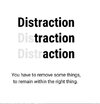
We often call things distractions when they take us away from what we should be doing. It could be a habit, a passing interest, a person, or simply something that keeps us occupied for a while. We tell ourselves it's harmless, that it won't matter much, and that we can always get back to what truly matters later.
But sometimes, we know exactly what is distracting us. We know the time we're spending, the attention we're giving, the priorities we are putting aside, and even the people who might be affected by our choices. Yet we continue. And somewhere along the way, what we once called a distraction becomes something we willingly make room for.
There is nothing wrong with enjoying something or finding comfort in someone. We all need little things that make our days lighter. But there is a difference between something that crosses our path and something we deliberately keep entertaining. Sometimes we use words like distraction, boredom, or just a little escape to make our choices sound less intentional than they really are. It's easier to call it a distraction than to admit that, despite knowing better, we still choose to give it our time.
Perhaps the real question isn't what distracts us, but why we keep returning to it even after we understand what it is. Because the moment we become aware of what something is doing to our time, our peace, our priorities, or even our connections with people, we can no longer pretend it is beyond our control.
A distraction may begin without intention, but once we recognise it and continue to entertain it, it becomes a choice. And sometimes, the things we call distractions are simply the things we choose, even when we know what we should be choosing instead.
.